x
g r e e n   l i g h t

Beans

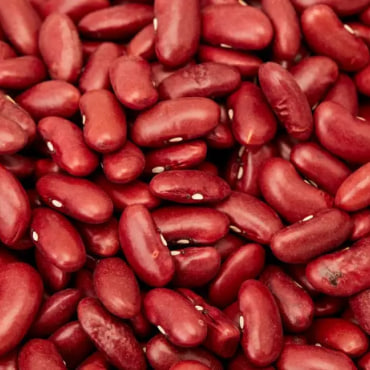
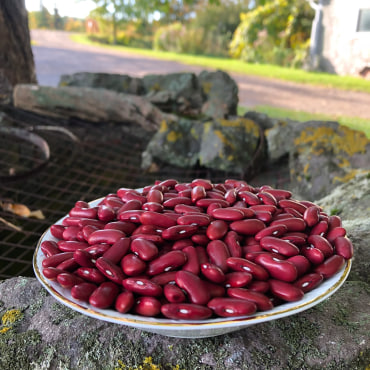
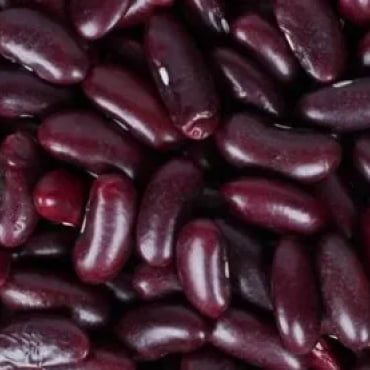
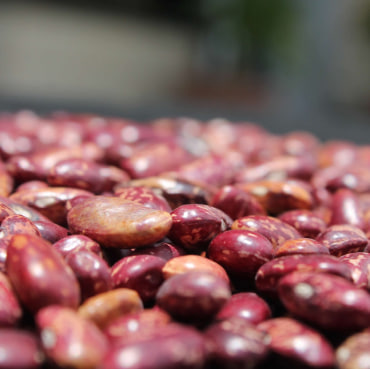
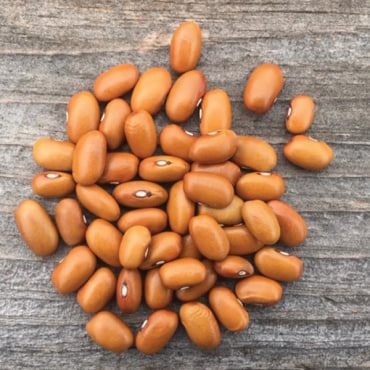
Gojam Red Kidney Bean

Gojam Red Kidney Bean

Red kidney beans are a type of legume known for their deep red color and kidney-like shape. They are a staple food in many cultures around the world and are a versatile ingredient in many dishes.

Product Description

Nutrients in Red Kidney Beans (per 100 grams cooked serving)

Calories: 127
Water: 67% 67%
Protein: 8.7 grams
Carbs: 22.8 grams

Red kidney beans are also a good source of several vitamins and minerals, including, Folate (33% DV): Important for cell growth and function, especially during pregnancy, Iron (22% DV): Essential for carrying oxygen in the blood

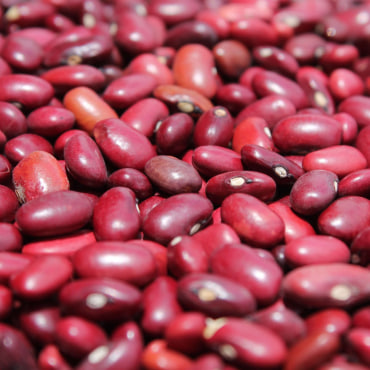
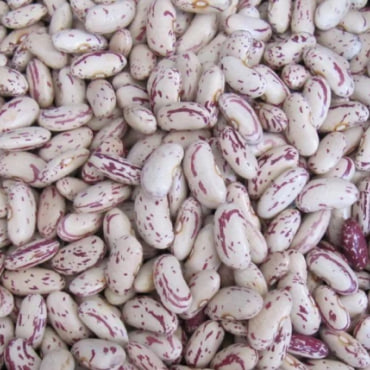
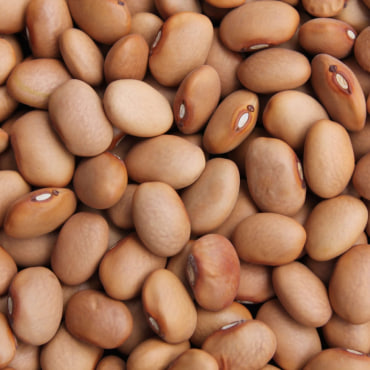
South Red Kidney Bean

South Red Kidney Bean

  1. Red kidney beans are a type of legume known for their deep red color and kidney-like shape. They are a staple food in many cultures around the world and are a versatile ingredient in many dishes.

Product Description

Nutrients in Red Kidney Beans (per 100 grams cooked serving)

Calories: 127
Water: 67% 67%
Protein: 8.7 grams
Carbs: 22.8 grams

Red kidney beans are also a good source of several vitamins and minerals, including, Folate (33% DV): Important for cell growth and function, especially during pregnancy, Iron (22% DV): Essential for carrying oxygen in the blood

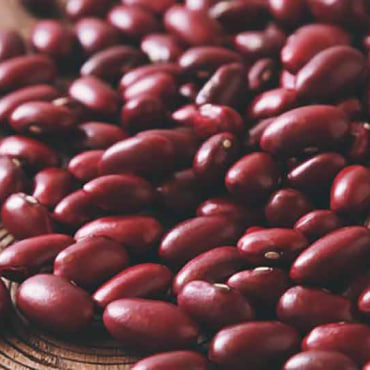
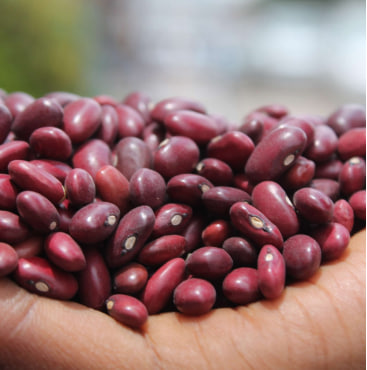
Red Speckled Kidney Bean

Red Speckled Kidney Bean

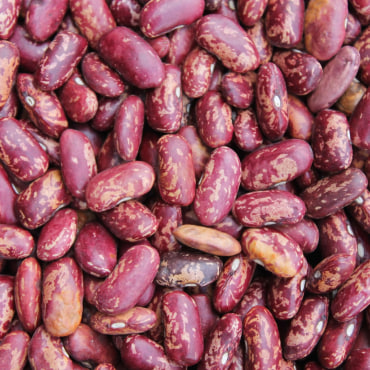
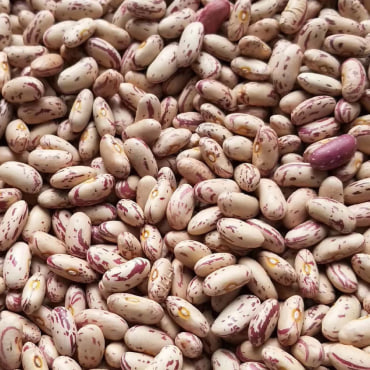
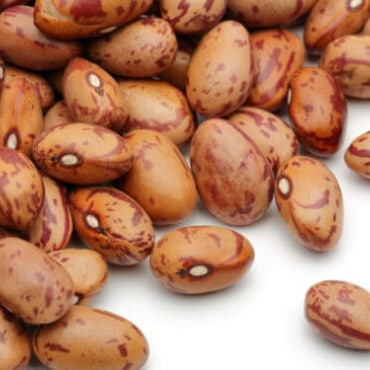
Red speckled kidney beans, also sometimes called cranberry beans or sugar beans, are a unique variety combining the familiar kidney shape with a beautiful speckled pattern. Their base color is typically a lighter red with speckles ranging from brown to almost black. They’re a nutritious and versatile ingredient, particularly popular in Ethiopian cuisine.

Product Description

Red Speckled Kidney Bean Nutrients

Calories: 120-130
Protein: 8-9 grams
Carbs: 20-25 grams
Fiber: 6-8 grams
Overall, red speckled kidney beans are likely a nutritious and affordable food, similar to other kidney bean varieties.

Light Speckled Kidney Bean

Light Speckled Kidney Bean

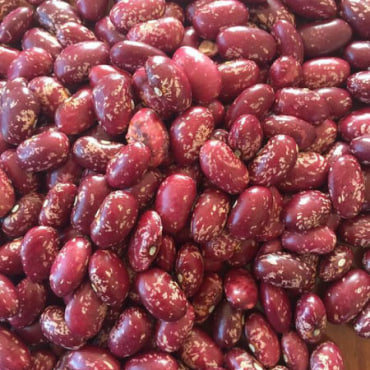
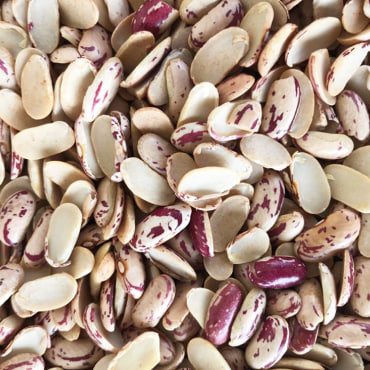
Light speckled kidney beans, also known as Ethiopian light speckled kidney beans, Mitmita beans, or even pinto beans depending on the region, are a distinct variety within the kidney bean family. They’re prized for their light, creamy background color speckled with dark brown to black markings.

Product Description

Light Speckled Kidney Bean Nutrients

Calories: 120-130
Protein: 8-9 grams
Carbs: 20-25 grams
Fiber: 6-8 grams

Overall, niger seeds are a good source of protein, fiber, healthy fats, and some essential minerals.

Black Kidney Bean

Black Kidney Bean

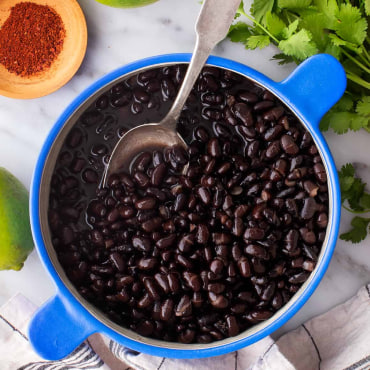
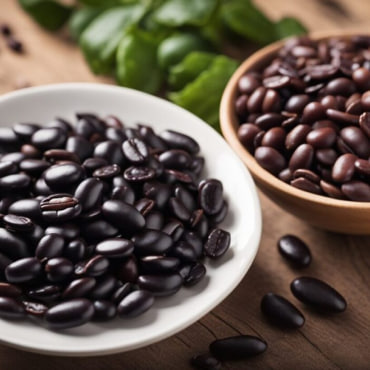
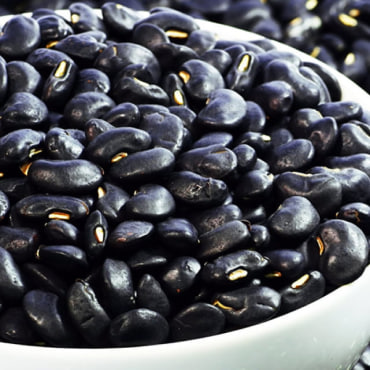
Black kidney beans, just like their red cousins, are legumes prized for their shape (resembling a kidney) and their jet black color. They’re a dietary staple in many cuisines and a highly versatile ingredient.

Product Description

Black Kidney Bean Nutrients

Calories: 132
Protein: 8.8 grams
Carbs: 21 grams
Fiber: 7.6 grams
Just like red kidney beans, black beans are a nutritious and budget-friendly food that adds significant value to a healthy diet.

Soy Bean

Soy Bean

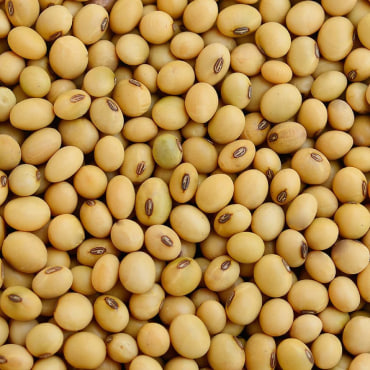
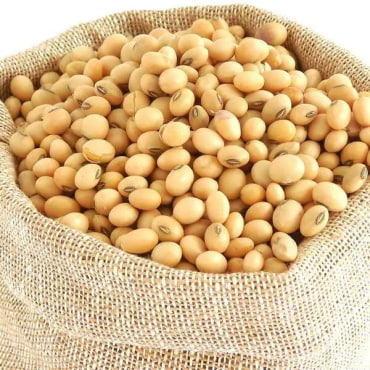
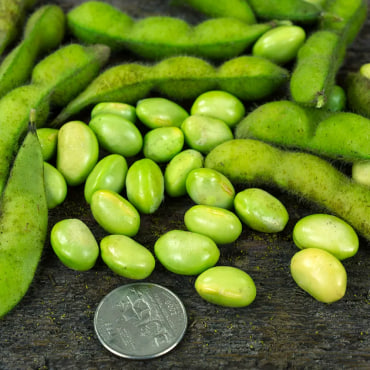
Soybeans, also called soya beans, are a legume native to East Asia. They are a global agricultural powerhouse, cultivated for their edible beans with numerous culinary uses. Soybeans themselves are not typically eaten whole, but rather processed into a variety of soy products like tofu, tempeh, soy milk, and miso.

Product Description

Soybean Nutrients

Calories: 172
Protein: 36-56%
Carbs: 9.9 grams
Sugar: 3 grams
Overall, soybeans are a nutrient-dense food, particularly rich in high-quality protein, fiber, and unsaturated fats.

Green Mung Beans

Green Mung Beans

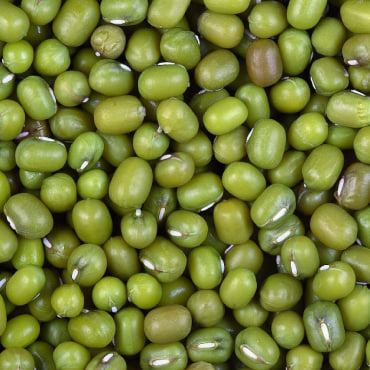
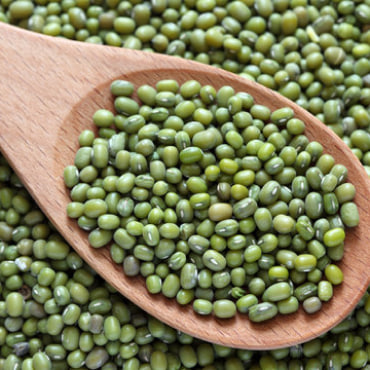
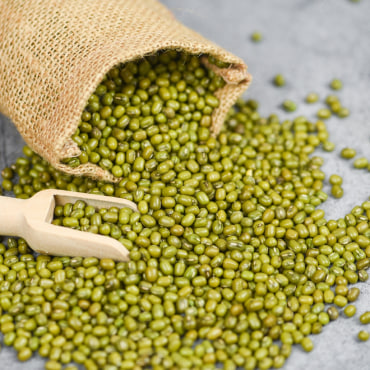
Green mung beans, also known as moong dal in India, are small, green legumes native to Southeast Asia. They are a versatile and popular ingredient in many cuisines around the world, especially in Asia. Unlike some other beans, green mung beans can be enjoyed whole, sprouted, or even ground into flour.

Product Description

Green Mung Bean Nutrients

Calories: 212
Protein: 14.2 grams
Carbs: 38.7 grams
Fiber: 15.4 grams
Overall, green mung beans are a highly nutritious and affordable food, offering a good source of protein, fiber, vitamins, and minerals.

White Pea Beans

White Pea Beans

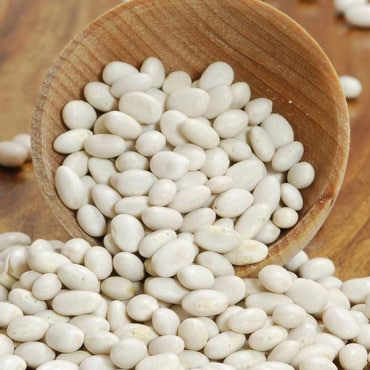
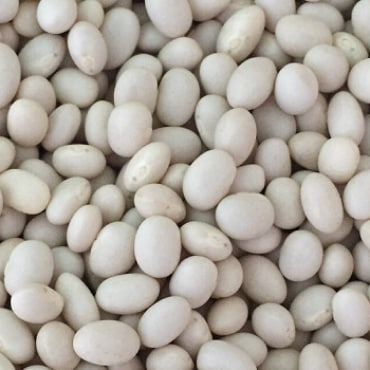
Soybeans, also called soya beans, are a legume native to East Asia. They are a global agricultural powerhouse, cultivated for their edible beans with numerous culinary uses. Soybeans themselves are not typically eaten whole, but rather processed into a variety of soy products like tofu, tempeh, soy milk, and miso.

Product Description

White Pea Bean Nutrients

Calories: 242
Protein: 17 grams
Carbs: 44 grams
Fiber: 11 grams
Overall, white pea beans are a highly nutritious and affordable food, offering a good source of protein, fiber, vitamins, and minerals.

Cream Beans
Cream Beans
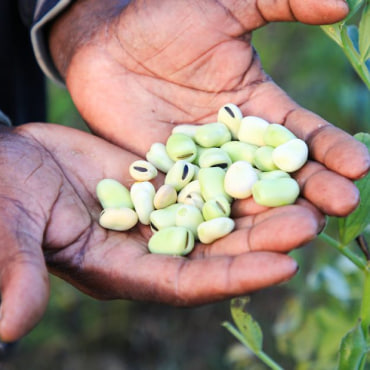
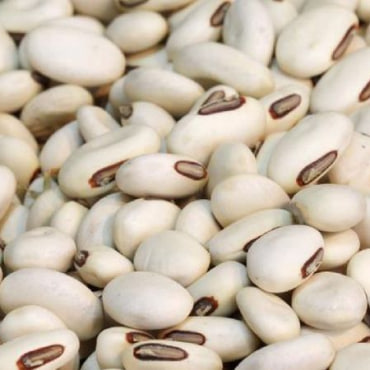
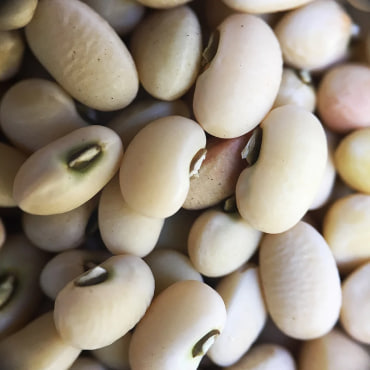
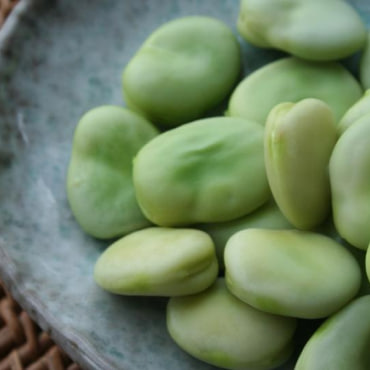
Cream beans aren’t a single specific bean variety, but rather a term used for various beans cooked in a creamy sauce or broth. They can be made with different types of beans, but some of the most common include:

Product Description

Cream Beans Nutrients

Calories: 242
Protein: 17 grams
Carbs: 44 grams
Fiber: 11 grams
Cream beans are a versatile dish that can be enjoyed as a side or incorporated into other recipes.

Pinto Beans

Pinto Beans

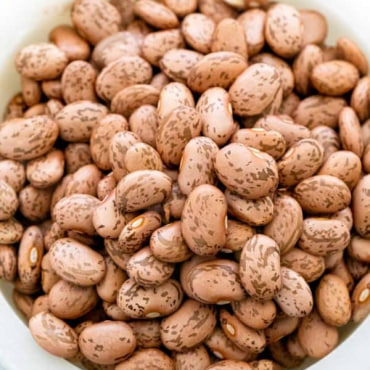
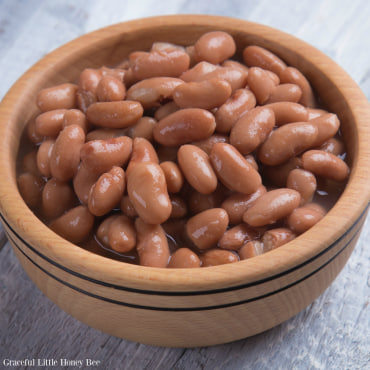
Pinto beans, named for their speckled appearance (pinto means “painted” in Spanish), are a popular variety of dry bean known for their mild, slightly earthy flavor. They are a staple food in many cultures,

Product Description

Pinto Bean Nutrients

Calories: 245
Protein: 15 grams
Protein: 15 grams
Fiber: 15 grams
Overall, pinto beans are a highly nutritious and affordable food, offering a complete protein source, rich in fiber, vitamins, and minerals.

Faba bean

Faba bean

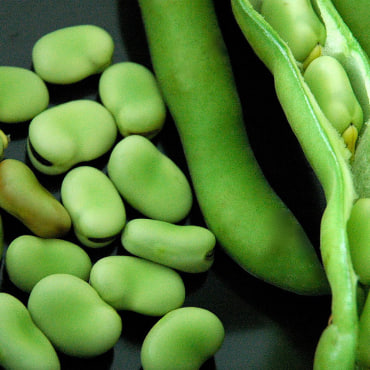
Faba beans are a nutritious and safe food to eat. They are a good source of protein, fiber, folate, and other essential nutrients. When consumed, they are digested normally without any adverse effects.

Product Description

Nutrients in faba Beans

Calories: 187
Folate: 40%
Protein: 13 grams
Carbs: 33 grams
Faba beans, also known as broad beans, are a nutritional powerhouse! They are a good source of many essential nutrients